English
 中文简体
中文简体 عربى
عربى


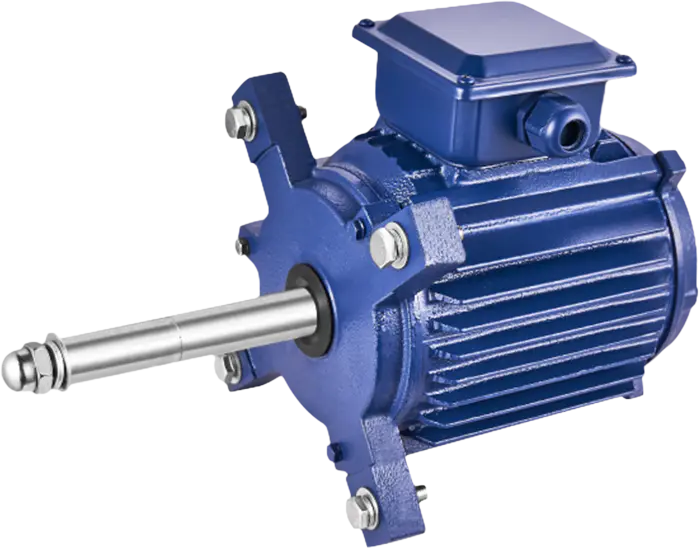
Vibration and noise are critical considerations when operating inverter-driven asynchronous motors. By selecting asynchronous inverter motors designed with optimized rotor and stator geometry, precision balancing, enhanced bearings, and advanced housing design, industrial users can achieve quiet, stable, and reliable operation. Consulting with experienced asynchronous motor manufacturers ensures that motors meet performance requirements while minimizing mechanical and electromagnetic disturbances. Proper motor selection and installation ultimately contribute to operational efficiency, equipment longevity, and safer industrial environments.
1. Causes of Vibration in Inverter Motors
Variable Frequency Operation
Inverter-driven motors operate across a wide range of speeds, causing fluctuations in rotor magnetic fields and torque. These fluctuations can generate mechanical vibrations that propagate through the motor and connected equipment.
Electromagnetic Forces
High-frequency switching in inverters produces harmonic currents and uneven magnetic forces in the stator and rotor. Motors not designed for inverter duty may amplify these forces, increasing both vibration and noise.
Mechanical Resonance
Variable speed operation can occasionally match the natural frequency of the motor or connected machinery, causing resonance that amplifies vibration.
Load Variations
Frequent changes in mechanical load during production processes can introduce additional torque variations, which contribute to vibration if the motor structure or mounting is inadequate.
2. Noise Challenges
Electromagnetic Noise: Changing magnetic flux densities produce high-pitched humming or buzzing sounds.
Mechanical Noise: Vibration transmitted through the motor housing, bearings, or connected shafts generates audible sound.
Cooling Fan Noise: Variable-speed internal fans can create uneven airflow, producing additional sound, particularly in low-speed operation.
These issues are often more noticeable in ordinary asynchronous motors that are not optimized for inverter applications, affecting industrial processes and workplace comfort.
3. Design Solutions to Reduce Vibration and Noise
Manufacturers of asynchronous inverter motors implement multiple engineering strategies to address vibration and noise:
Optimized Rotor and Stator Design: Reduces harmonic distortion and torque ripple. Carefully shaped rotor bars and stator laminations minimize electromagnetic forces that cause vibration.
Precision Balancing: Rotors and shafts are dynamically balanced to reduce mechanical vibration across all operating speeds.
High-Quality Bearings: Bearings designed for variable-speed operation reduce mechanical noise and accommodate torque pulsations.
Housing and Mounting Design: Reinforced housings, vibration-damping mounts, and anti-resonance structures prevent vibration transmission to machinery.
Advanced Cooling Techniques: Fans designed for variable-speed operation reduce turbulence noise and ensure proper cooling, even at low speeds.
Damping Materials: Incorporating vibration-damping pads or composite materials within the motor frame can further suppress unwanted mechanical noise.
These design improvements ensure inverter-driven motors operate quietly, efficiently, and reliably in industrial environments.
4. Practical Recommendations for Industrial Users
To minimize vibration and noise when using inverter motors, industrial users should consider the following:
Select Inverter-Rated Motors: Confirm the motor is designed for variable frequency operation and is compatible with your inverter model.
Monitor Vibration Levels: Regularly measure vibration using accelerometers or monitoring systems to detect abnormal conditions early.
Ensure Proper Installation: Proper alignment, secure mounting, and the use of vibration-damping mounts help reduce noise transmission.
Maintain Bearings and Lubrication: Well-maintained bearings reduce mechanical noise and prolong motor life.
Consult Experienced Manufacturers: Working with trusted asynchronous motor manufacturers such as Zhejiang Ligong Motor Co., Ltd. ensures motors are designed and optimized to reduce vibration and noise, even under demanding production conditions.