English
 中文简体
中文简体 عربى
عربى


Proper motor selection is critical for industrial efficiency, reliability, and cost savings. Asynchronous inverter motors offer the flexibility and control required for modern industrial processes, while standard asynchronous motors remain effective for fixed-speed applications. By consulting with experienced asynchronous motor manufacturers, industrial operators can ensure the Correct motor is chosen for their machinery, optimizing performance, energy use, and maintenance cycles.
1. Know Your Application Needs
The initial step in selecting a motor is to analyze how it will be used:
Constant vs. Variable Speed: Machines like pumps or fans may run at fixed speeds, while conveyors, mixers, and extruders often need variable speeds, requiring inverter-compatible motors.
Load Type: Identify if the load is steady, fluctuating, or intermittent. Sudden load changes can stress ordinary asynchronous motors.
Duty Cycle: Continuous operation, start-stop patterns, and peak load periods influence motor sizing and type selection.
Understanding these factors ensures you select the appropriate motor type, whether a standard asynchronous motor or an inverter-rated motor.
2. Differences Between Ordinary and Inverter Motors
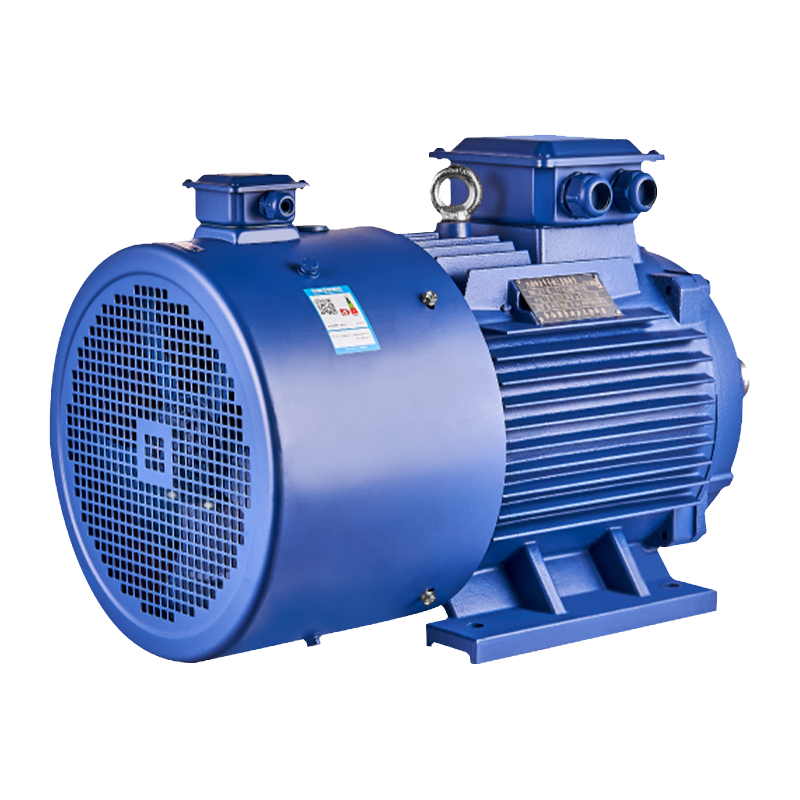
Voltage and Frequency Adaptation: Ordinary asynchronous motors perform well at rated voltage and frequency. Inverter motors are built to handle variable frequency and voltage without overheating or insulation failure.
Insulation and Cooling: Inverter motors use higher-grade insulation and often enhanced cooling to cope with high-frequency switching and low-speed operation.
Mechanical Design: Rotor and stator designs are optimized in inverter motors to minimize vibration and noise during variable-speed operation.
Choosing the wrong motor type may result in unexpected maintenance issues or even motor failure.
3. Factors to Consider When Selecting Motors
Power Rating and Efficiency: Choose a motor with adequate power for peak load without oversizing excessively. Proper sizing prevents energy loss and excessive heat.
Speed Range: Determine the speeds your application requires. Inverter-rated motors handle wide speed ranges better than standard motors.
Environment: Consider ambient temperature, humidity, dust, or corrosive conditions. Motor housing, insulation class, and protective coatings matter in harsh environments.
Maintenance Requirements: Low-maintenance motors with high-quality bearings, robust windings, and vibration-resistant designs reduce downtime and service costs.
Manufacturer Support: Partnering with reliable asynchronous motor manufacturers, such as Zhejiang Ligong Motor Co., Ltd., ensures technical guidance, customization options, and after-sales support.
4. Advantages of Using Inverter Motors in Industrial Applications
Precise Speed Control: Essential for processes requiring exact timing, such as conveyor belts, mixers, or packaging machines.
Energy Savings: Adjusting motor speed to match process requirements reduces energy consumption compared to running at full speed continuously.
Reduced Mechanical Stress: Smooth acceleration and deceleration prevent sudden torque spikes, protecting connected equipment.
Extended Equipment Life: Reduced wear on mechanical parts, bearings, and windings improves overall system longevity.
Versatility: Suitable for diverse applications, including textiles, printing, food processing, and construction machinery.
5. Practical Tips for Industrial Users
Assess Your Process Needs initial: Understand whether you need variable speed or constant speed operation.
Verify Motor Compatibility: Ensure the selected motor can handle the inverter specifications and expected load conditions.
Plan for Maintenance Access: Motors installed in confined spaces should allow easy inspection, cooling checks, and lubrication.
Work with Experienced Manufacturers: Trusted asynchronous motor manufacturers provide guidance on sizing, installation, and ongoing maintenance.
Selecting the Correct motor is about more than just horsepower. Choosing asynchronous inverter motors for applications that require speed variation, precise control, and reliable operation can save energy, reduce maintenance, and extend equipment life. Proper motor selection ensures smooth production, reduces downtime, and enhances overall operational performance.