English
 中文简体
中文简体 عربى
عربى


As manufacturing facilities continue to pursue higher efficiency, automation, and workplace safety, the demand for reliable drive systems is growing rapidly. Procurement teams are paying closer attention to motor performance, maintenance requirements, and long-term operating costs rather than focusing solely on purchase price. This trend has increased interest in both the Brake Motor and advanced industrial drive solutions. Whether used in conveyors, packaging lines, lifting equipment, or automated production cells, selecting the right motor can significantly impact productivity, energy consumption, and operational stability.
Rising Downtime Costs Are Changing Purchasing Priorities
One of the discussed topics among engineers and plant managers is unplanned downtime. Every unexpected production stoppage can advance to missed deadlines, labor inefficiencies, and increased maintenance expenses.
As a result, buyers are increasingly searching for:
- Industrial motor reliability
- Low-maintenance motor solutions
- Long service life electric motors
- Motors for automated production lines
Instead of choosing the lowest-cost option, many companies now evaluate lifecycle value, focusing on durability, consistent performance, and ease of maintenance.
Why Braking Performance Matters More Than Ever
Modern factories are operating faster and handling heavier loads than ever before. Equipment such as hoists, cranes, conveyors, and warehouse automation systems often require immediate stopping capability to protect both workers and machinery.
A properly designed motor with integrated braking functionality offers several advantages:
- Faster emergency stopping
- Improved positioning accuracy
- Enhanced operator safety
- Reduced equipment wear
- Better control in vertical lifting applications
As manufacturers, we have seen growing demand from customers seeking motor systems that combine driving and braking functions in a compact, efficient design.
Energy Efficiency Has Become a Key Evaluation Factor
Rising electricity costs continue to influence purchasing decisions worldwide. Industrial buyers are actively comparing motor efficiency ratings before approving new projects.
When evaluating motor solutions, engineers often consider:
Key Questions Before Purchase
- What is the motor's operating efficiency under typical loads?
- How does performance change during continuous operation?
- Can the motor reduce overall energy consumption?
- Is the motor suitable for variable-frequency drive (VFD) systems?
- What is the expected maintenance interval?
Selecting efficient motor systems can help facilities reduce operating costs while supporting sustainability goals and energy-management initiatives.
The Shift Toward Automated Manufacturing
Industry 4.0 investments remain a major topic across manufacturing sectors. Automated production lines require motor systems capable of precise speed control, stable torque output, and reliable operation under varying loads.
Applications frequently include:
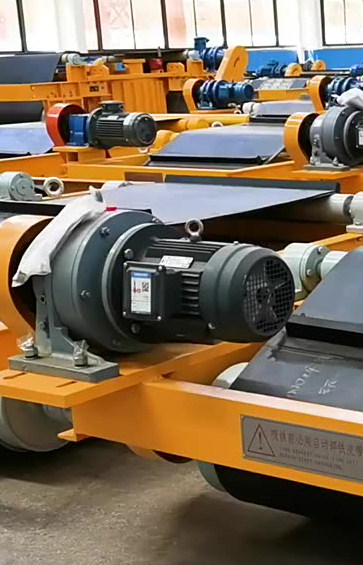
Automated conveyors
- Packaging machinery
- Material handling systems
- Robotics support equipment
- Textile machinery
- Food processing equipment
Because automation leaves less room for mechanical failure, buyers increasingly prioritize motor consistency and production quality when selecting suppliers.
Environmental Conditions Can Affect Motor Lifespan
Another concern frequently discussed by maintenance teams is how motors perform in challenging environments. Dust, humidity, temperature fluctuations, and continuous operation can all shorten equipment life if the motor is not designed appropriately.
When sourcing industrial motors, buyers should review:
- Housing protection levels
- Cooling system design
- Bearing quality
- Insulation class
- Corrosion resistance options
As a manufacturer, we recommend matching motor specifications to actual operating conditions rather than relying solely on power ratings.
Choosing a Supplier Beyond Product Specifications
Today's industrial buyers are also evaluating supplier capabilities. Technical support, customization services, delivery reliability, and quality management systems have become critical selection criteria.
Many procurement teams now ask suppliers for:
- Factory production capabilities
- Quality control procedures
- Testing reports
- OEM and ODM support
- Global project experience
A strong supplier relationship often reduces procurement risk and ensures smoother project execution throughout the equipment lifecycle.
Smarter Motion Solutions for Modern Industry
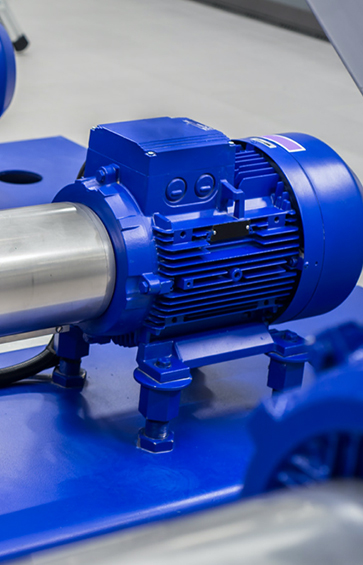
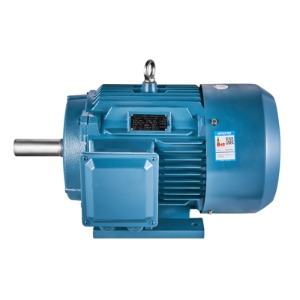
As factories become increasingly automated and energy-conscious, demand for advanced motor technologies will continue to grow. A dependable Three Phase Asynchronous Motor remains one of the widely used power solutions across industrial applications because of its durability, efficiency, and versatility. Combined with a high-quality Brake Motor, manufacturers can improve equipment safety, reduce downtime, and achieve more stable production performance. For buyers planning future upgrades, selecting an experienced manufacturing partner with proven engineering expertise is becoming just as important as choosing the right motor itself.