English
 中文简体
中文简体 عربى
عربى


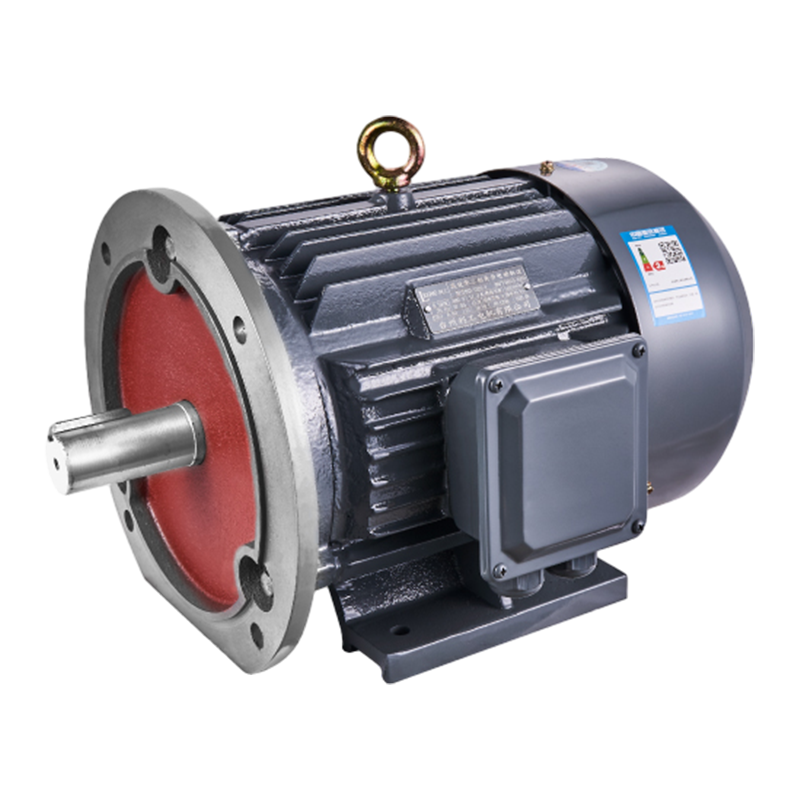
With global manufacturing shifting toward smarter production lines and higher levels of automation, the requirements for industrial motor systems have become more demanding than ever. Engineers and procurement teams are no longer evaluating motors only by power rating, but also by efficiency, durability, and system compatibility. In this context, the Brake Motor is gaining strong attention from international buyers who need precise stopping control, stable torque output, and reliable performance in continuous industrial operations.
Growing Focus on Safety and Motion Precision in Industrial Equipment
Modern production systems rely heavily on controlled motion, especially in equipment where sudden stopping or inaccurate positioning can cause operational risks. This has made braking accuracy a critical factor in motor selection.
Common search patterns include:
- Industrial motor with electromagnetic brake
- High precision brake motor for conveyor systems
- Safe stopping electric motor for automation
- Heavy duty brake motor for industrial machinery
These trends highlight increasing attention to operational safety and motion control accuracy.
Why Controlled Stopping Performance Matters More Than Ever
In automated production environments, uncontrolled motor stopping can result in product defects, equipment wear, or safety hazards. As a result, braking performance is now a core technical requirement.
Key engineering concerns include:
- Accurate stopping position control
- Stable braking torque under load changes
- Reduced mechanical impact during deceleration
- Fast response during emergency shutdown
These requirements are especially important in high-speed production lines.
Energy Efficiency Is Now a Core Purchasing Consideration
Industrial buyers are increasingly focused on reducing long-term operating costs. Motor efficiency plays a direct role in energy consumption and overall production expenses.
Important factors include:
- Reduced energy loss during operation cycles
- High efficiency under continuous load conditions
- Stable thermal performance in long runtime
- Optimized power usage in start-stop processes
These improvements help manufacturers achieve better cost control.
Reliability Under Continuous Industrial Operation
Industrial motors are expected to operate in demanding environments with minimal downtime. Reliability has therefore become a key decision factor for global procurement teams.
Key expectations include:
- Long service life under heavy load
- Stable insulation and heat resistance
- Reduced maintenance requirements
- Consistent output performance over time
Reliable motor systems help ensure uninterrupted production schedules.
Expanding Industrial Applications Across Global Markets
Brake motor systems are widely used across multiple industries where controlled movement and safety are essential. Their application continues to expand alongside automation growth.
Key application sectors include:
- Material handling and conveyor systems
- Hoisting and lifting machinery
- Packaging and logistics equipment
- Automated production lines
- Industrial processing machinery
This broad applicability supports sustained global demand.
System Compatibility in Smart Manufacturing Environments
As factories become more digital and interconnected, motors must integrate smoothly with automation systems. Compatibility and control precision are now essential purchasing criteria.
Important system requirements include:
- Integration with frequency drive systems
- Smooth acceleration and deceleration control
- Stable operation under automated workflows
- Easy installation and system replacement
These features are critical for modern smart factories.
Future Outlook for Industrial Motor Technology
As industrial automation continues to advance, demand for more efficient, intelligent, and reliable motor systems will continue to grow. Buyers are increasingly focusing on long-term performance, energy efficiency, and system integration capability rather than short-term cost.
In this evolving global market, the Three Phase Asynchronous Motor will remain a foundational component in industrial power systems, supporting stable operation, improved energy efficiency, and reliable performance across a wide range of manufacturing and automation applications.