English
 中文简体
中文简体 عربى
عربى


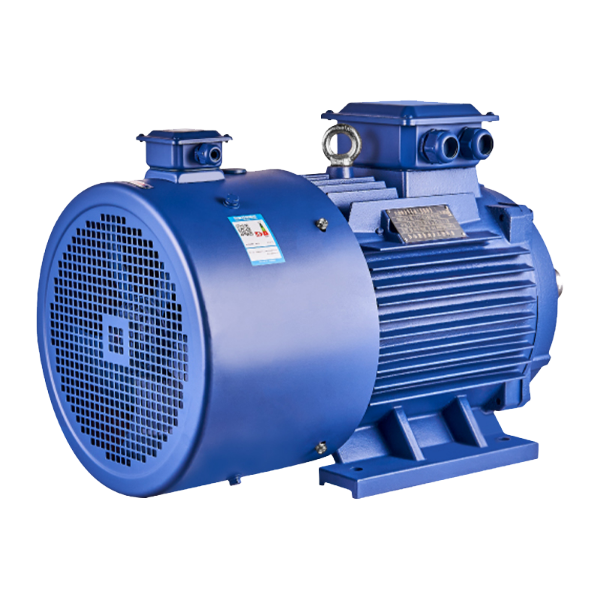
Insulation risks are a critical factor when using standard asynchronous motors with inverters. Industrial users should consult with asynchronous motor manufacturers to ensure that the motors are specifically designed for inverter applications. Through enhanced insulation, advanced winding techniques, and proper cooling design, asynchronous inverter motors can deliver reliable performance in challenging operational environments. Choosing the Correct motor not only extends service life but also ensures safe and efficient operation across various industries.
1. Understanding Motor Insulation in Inverter Applications
Motor insulation is designed to protect windings from electrical, thermal, and mechanical stress. When an asynchronous motor is driven by an inverter, it is exposed to high-frequency voltage spikes produced by pulse-width modulation (PWM). These voltage spikes occur at rapid switching rates, often exceeding the original design specifications of standard asynchronous motors. If the insulation is not designed for these conditions, it may deteriorate faster than expected, potentially resulting in partial discharge, short circuits, or complete motor failure.
2. Common Insulation Problems in Inverter-Driven Motors
Voltage Stress
Repeated high-voltage pulses can create localized electrical stress on the motor’s winding insulation. This is particularly problematic for older motors or those not rated for inverter use. Even a short-term exposure to high dv/dt (rate of voltage change) can compromise insulation integrity.
Thermal Overload
Inverter operation can cause uneven heating of motor windings. High-frequency switching generates additional losses within the motor, raising the core and winding temperatures. Over time, elevated temperatures accelerate the chemical breakdown of insulation materials.
Partial Discharge and Corona Effect
At points of insulation weakness, high-frequency pulses may create micro-discharges (partial discharge), slowly eroding insulation layers. This effect is more pronounced in motors running at high speed or under fluctuating loads, which are common in industrial machinery such as textile machines, conveyor systems, and packaging lines.
Mechanical Stress
Frequent speed changes imposed by inverters can result in vibration and mechanical stress on the windings. Even minor vibration, when combined with thermal expansion, can cause insulation cracking over extended periods.
3. Design Solutions for Inverter-Compatible Motors
Manufacturers of asynchronous inverter motors address these challenges with specialized engineering solutions:
High-Grade Insulation Materials: Utilizing Class H or Class F insulation systems that withstand higher voltage and temperature stress.
Optimized Winding Patterns: Reduced parasitic capacitance and uniform voltage distribution lower the risk of localized insulation failure.
Improved Cooling Systems: Incorporating enhanced ventilation, fans, or heat-dissipating designs ensures the motor remains within safe operating temperatures.
External Protection Devices: Installing dv/dt filters, reactors, or surge suppressors reduces voltage spikes entering the motor.
Rotor and Stator Design Enhancements: Optimizing the geometry to minimize electromagnetic stress and reduce vibration.
These strategies are designed to extend motor lifespan, improve efficiency, and maintain stable operation under variable frequency conditions.
4. Practical Recommendations for Industrial Users
For industries planning to use asynchronous inverter motors, the following considerations are essential:
Motor Selection: Confirm that the motor is rated for inverter operation, not just standard asynchronous duty.
Insulation Verification: Check the insulation class and manufacturer’s guidelines for inverter usage.
Installation Practices: Ensure proper grounding, cable sizing, and shielding to minimize electrical noise and voltage spikes.
Routine Maintenance: Monitor motor temperature, vibration, and insulation resistance regularly. Preventive maintenance helps detect early signs of insulation degradation.
Partnering with Reliable Manufacturers: Collaborating with experienced asynchronous motor manufacturers such as Zhejiang Ligong Motor Co., Ltd. ensures access to inverter-ready motors and technical support.