English
 中文简体
中文简体 عربى
عربى


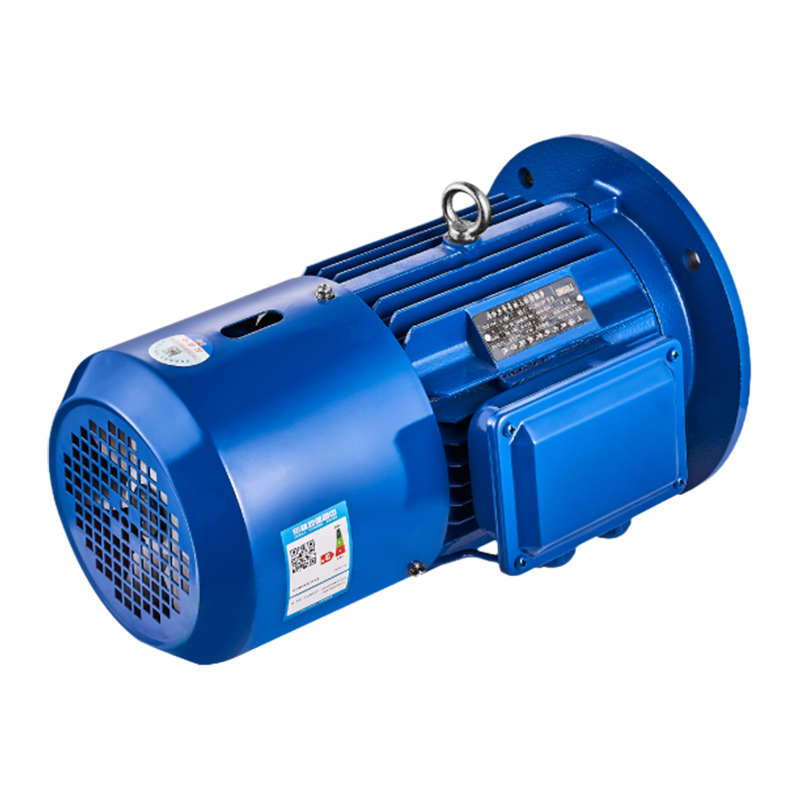
As global manufacturing continues its transition toward automation, digital control systems, and energy-efficient production models, industrial equipment selection is becoming more strategic than ever. Motors are no longer viewed as simple power devices—they are now key components that directly affect production stability, safety, and energy consumption. In this context, the Brake Motor is attracting growing attention from international buyers who require precise stopping control, stable performance, and long-term operational reliability in modern industrial applications.
Rising Importance of Controlled Motion in Automated Systems
With the rapid expansion of automated production lines, controlled motion has become essential for ensuring product quality and operational safety. Industries are increasingly prioritizing motors that provide accurate stopping and smooth operation.
Common search behaviors include:
- Industrial brake motor for conveyor automation
- Electromagnetic braking motor for lifting systems
- High torque motor with braking function
- Safety motor for automated machinery
These search trends reflect a clear shift toward precision-driven industrial requirements.
Why Braking Stability Directly Affects Production Efficiency
In modern industrial environments, even minor inconsistencies in motor stopping behavior can advance to production errors or mechanical stress. This makes braking stability a key technical requirement.
Key engineering concerns include:
- Consistent stopping position accuracy
- Reduced mechanical impact during braking
- Stable torque output under load variations
- Fast and reliable emergency response
These factors are critical for maintaining production consistency and equipment safety.
Energy Efficiency as a Core Industrial Requirement
Energy consumption has become a major focus for manufacturers due to rising operational costs and sustainability targets. Motor efficiency is now a key factor in procurement decisions.
Important considerations include:
- Optimized energy usage during continuous operation
- Reduced power loss in start-stop cycles
- Improved thermal efficiency under load
- Stable output with lower energy consumption
These improvements help reduce long-term production costs.
Reliability in High-Intensity Industrial Environments
Industrial motors are often required to operate continuously in demanding environments. Reliability and durability are essential to avoid unexpected downtime and production loss.
Key expectations include:
- Long service life under heavy-duty operation
- Stable insulation performance in harsh conditions
- Reduced maintenance requirements
- Consistent torque output over extended use
Reliable systems ensure smoother production scheduling and fewer interruptions.
Expanding Applications Across Global Industries
Brake motor systems are widely used in multiple industrial sectors where controlled motion and safety are critical. Their application range continues to expand with automation growth.
Key application areas include:
- Conveyor and logistics systems
- Lifting and hoisting equipment
- Packaging machinery
- Automated production lines
- General industrial processing equipment
This broad usage supports steady global demand growth.
Integration With Smart Factory Technologies
As industrial systems become more connected, motors are expected to integrate seamlessly with digital control platforms. Compatibility and responsiveness are now essential requirements.
Key integration features include:
- PLC system compatibility
- Variable frequency drive support
- Real-time operational monitoring
- Smooth acceleration and deceleration control
These features are essential for intelligent manufacturing environments.
Future Outlook for Industrial Motor Development
As manufacturing continues to evolve toward automation, digitalization, and energy optimization, demand for advanced motor systems will continue to increase. Buyers are focusing more on lifecycle value, system integration, and operational stability rather than initial purchase cost.
In this evolving industrial landscape, the Three Phase Asynchronous Motor will remain a core technology supporting efficient power transmission, stable industrial operation, and reliable performance across global manufacturing and automation industries.